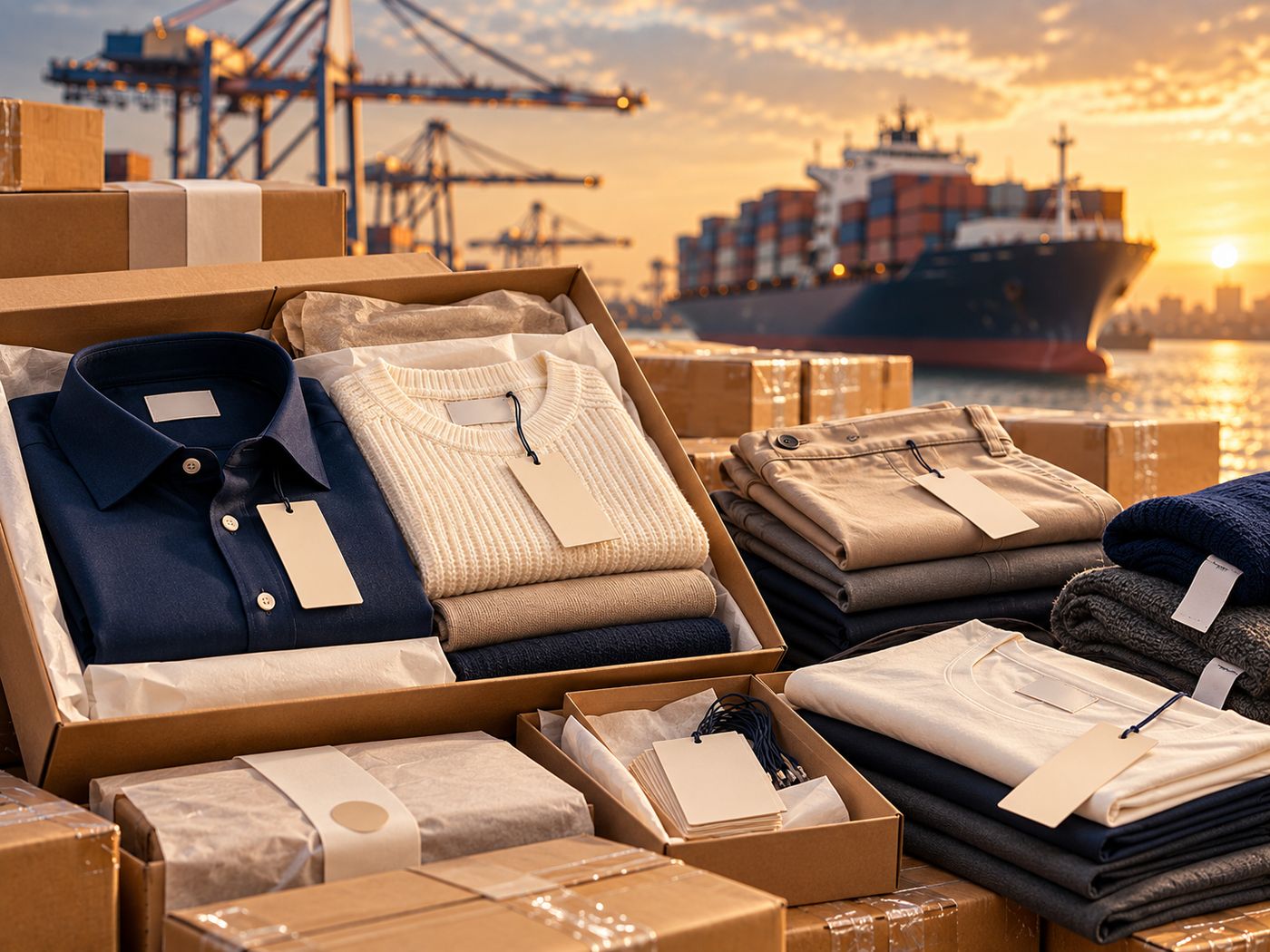
Private label means garments made by a manufacturer and sold under your brand. You do not need your own factory, but you do need a clear brief and a process. These are the stages every order goes through.
1. The brief
Start with what you want to sell: the product, fabric, colours, sizes, quantity and target price. Reference photos or an existing garment help a lot. A tech pack is ideal, but a clear description is enough to begin.
2. Sampling
The factory makes a sample from your brief. You check fit, fabric and construction, and ask for changes. Expect one or two rounds. This is the stage where delays most often start, usually because feedback is slow or unclear, so reply quickly and be specific.
3. Labels, tags and packaging
Your branding is developed alongside the sample: neck labels, care labels, hang tags, polybags and cartons. Check the legal labelling rules for the country you sell in, such as fibre content, care instructions and country of origin, and share them early.
4. Bulk production
Once the sample and branding are approved, fabric is ordered and production begins. The approved sample becomes the standard that every piece is checked against.
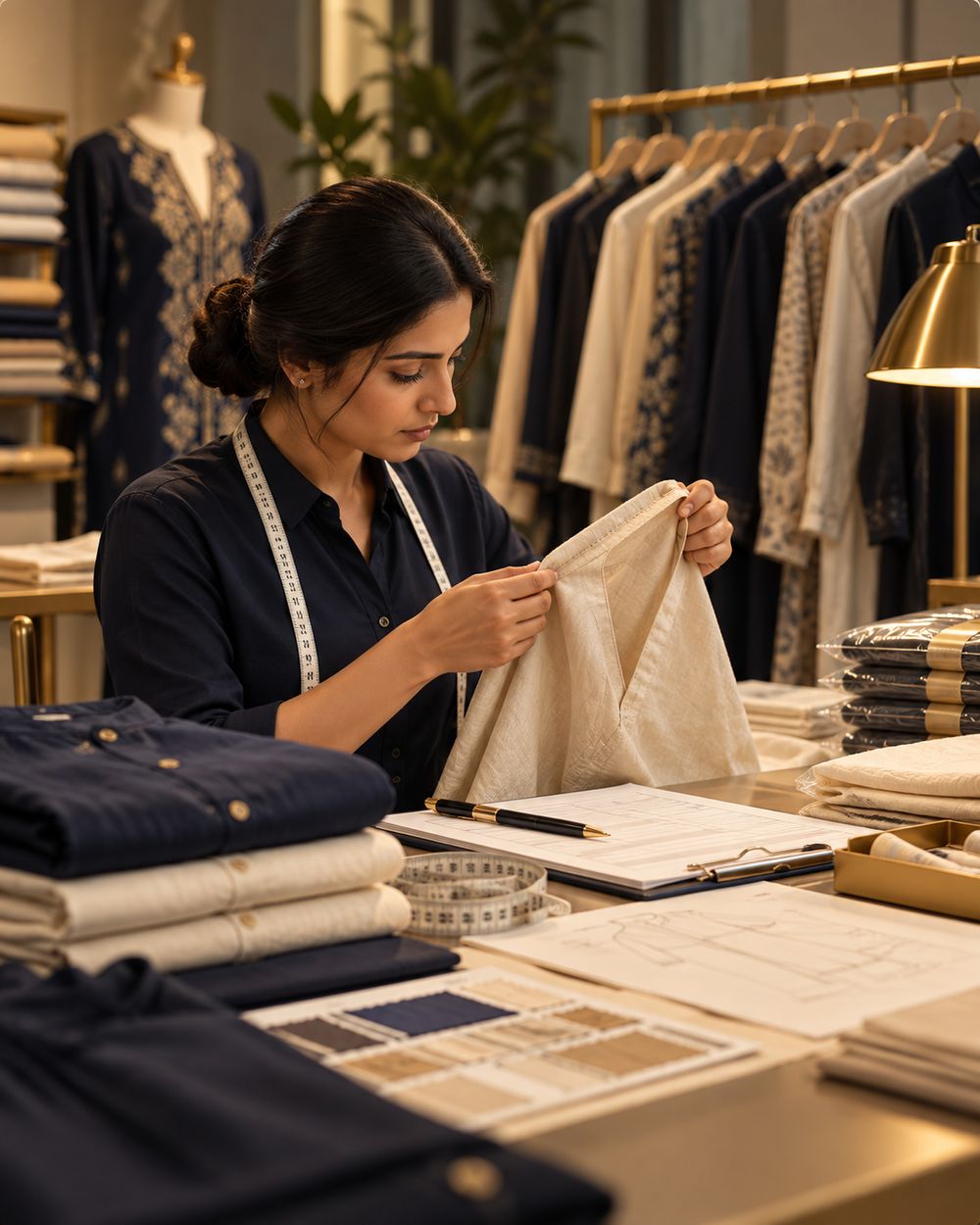
5. Quality checks
Garments are checked for measurements, stitching, print or embroidery and finishing. Packing is checked against your instructions before the cartons are sealed.
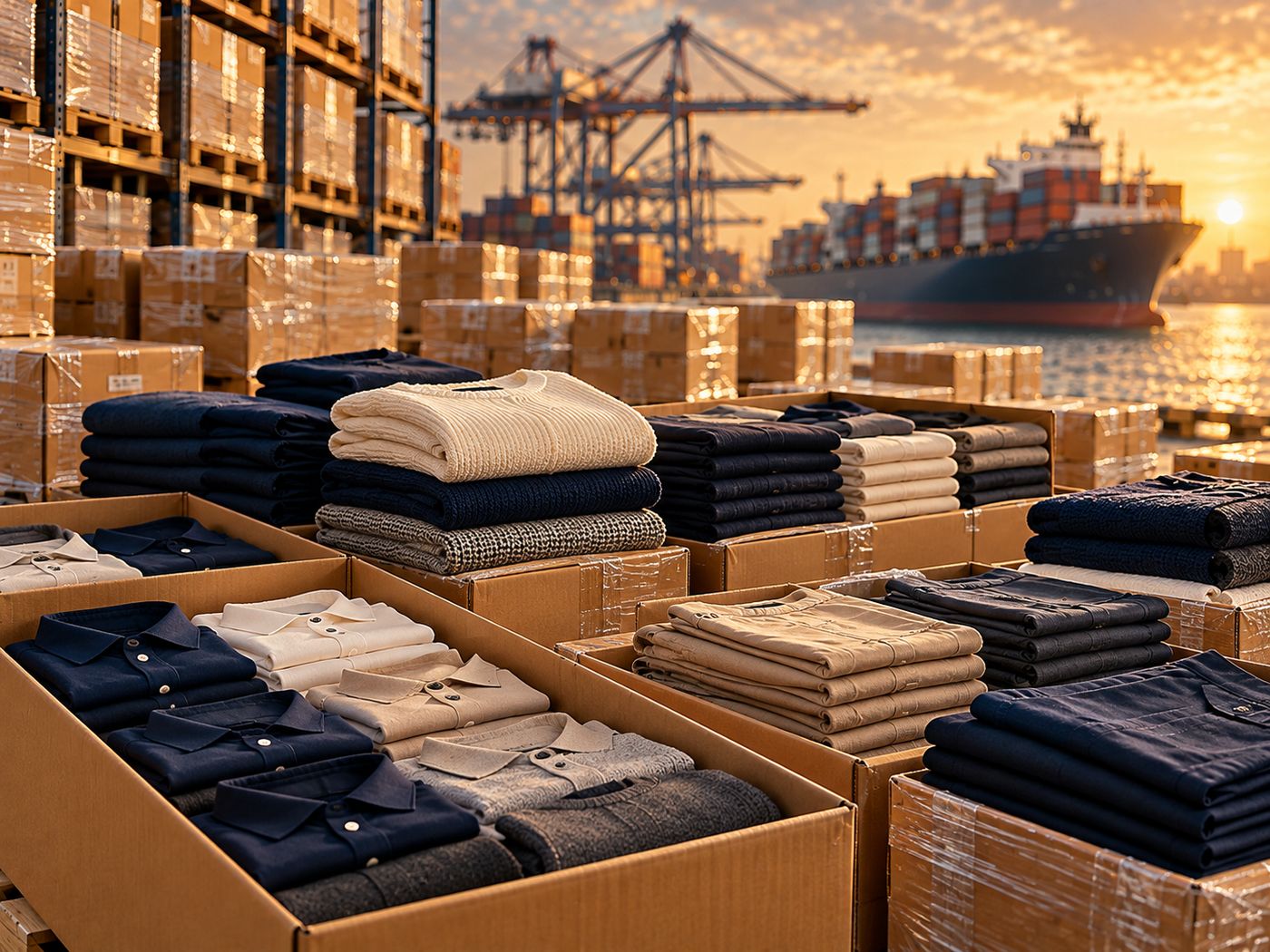
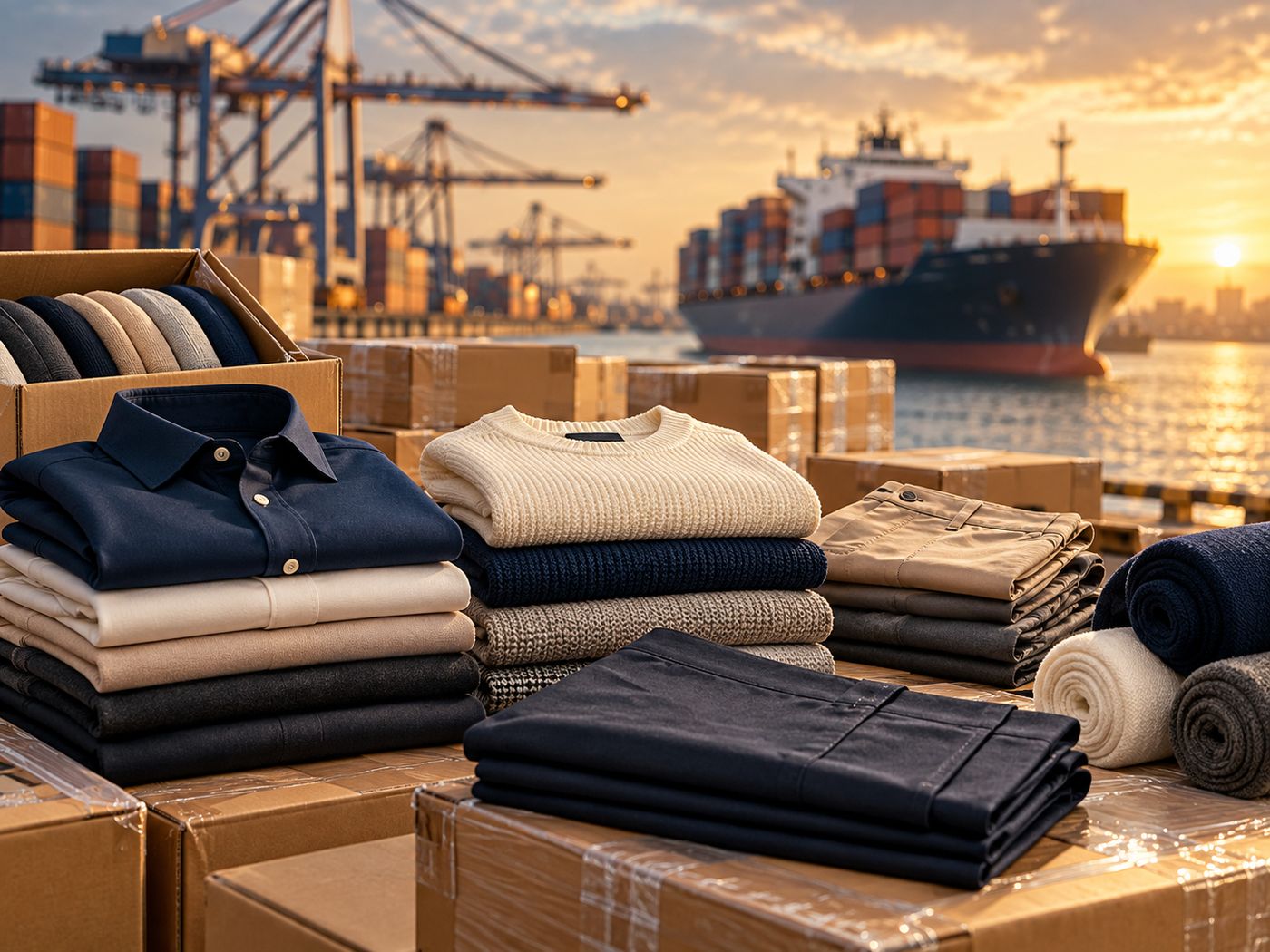
6. Shipping
Export documents are prepared and the goods are shipped by sea or air on the terms agreed in your quote.
Where buyers lose time
- Changing the design after the sample is approved
- Late artwork for labels and tags
- Slow replies during sampling
- Leaving labelling requirements until the end